


How Can I Help My Child With Anxiety and Worry?
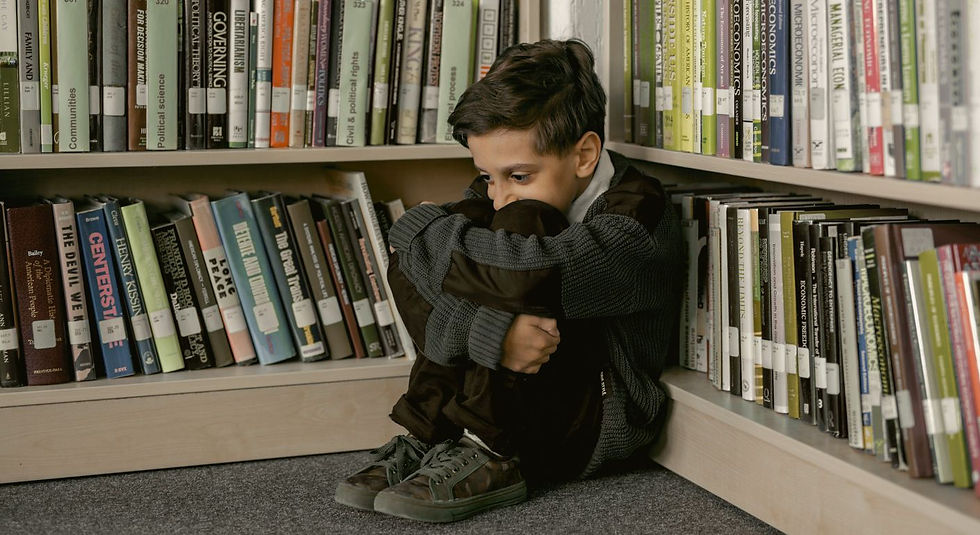
Watching your child worry about school, friendships, separation, new situations, or things that might go wrong can be difficult. You may find yourself reassuring them again and again, only to see the same worry return.
Knowing how to help a child with anxiety starts with understanding that anxiety is not simply a child being difficult or overreacting. Their worry may feel very real to them, even when you can see that they are safe. With the right support, you can help your child understand their worries and gradually build confidence in handling them.
Listen to Your Child Without Dismissing Their Worries
When your child is worried, your first instinct may be to reassure them that everything will be fine. While reassurance can help, it is also important to give them a chance to explain what they are feeling.
Try asking, “What are you worried might happen?” or “What feels hard about this?”
Avoid dismissing the worry with phrases like “There’s nothing to worry about.” Instead, let your child know that you hear them, even if you see the situation differently.
Help Them Name What They Are Feeling
Children do not always have the words to explain anxiety. They might complain of a sore tummy, become irritable, cling to you or avoid something rather than saying, “I feel anxious.”
You can help by putting simple words to what you notice:
“You seem worried about tomorrow.”
“Your tummy feels funny because you’re nervous.”
“It looks like this feels a bit scary.”
Understanding what anxiety in children feels like can help you recognise it.
Keep Routines Predictable
Uncertainty can make worry harder to manage. A predictable routine can give your child a clearer idea of what to expect, particularly around mornings, school, bedtime or other regular activities.
You might use a simple visual schedule, talk through plans beforehand or give your child notice when something is going to change.
This does not mean avoiding every unexpected event. Instead, predictable routines can give your child a secure starting point for learning to cope with change.
Teach Simple Ways to Manage Anxiety
When your child is anxious, keep coping strategies simple. You do not need to teach them a long list of techniques.
Depending on your child, you might try:
Slow, steady breathing
Taking a short break
Grounding by noticing what they can see and hear
Doing a calming activity together
Practise these strategies when your child is calm, not only when anxiety is already high. This gives them a better chance of remembering what to do when they need it.
Encourage Small Steps Instead of Avoiding Worries
Avoiding something that feels scary can bring short-term relief, but it may also make the worry feel harder to face next time.
You do not need to force your child into situations that overwhelm them. Instead, help them take small, manageable steps.
For example, if your child is nervous about joining a new activity, you might start by visiting the location together, then stay for a short time before gradually increasing their involvement.
Praise their effort rather than expecting them to feel completely confident straight away.
Be Mindful of Reassurance-Seeking
An anxious child may repeatedly ask questions such as, “Are you sure?” “Will you come back?” or “What if something happens?”
It is natural to want to reassure them every time. However, constant reassurance can sometimes become part of the worry cycle.
Rather than answering the same question repeatedly, you might acknowledge the worry and help your child think about how they could cope if the uncertainty remains.
The goal is not to leave your child feeling unsupported. It is to gradually help them trust that they can handle uncomfortable feelings without needing every answer first.
Show Them How You Manage Worry
Children learn from what they see around them. You do not need to pretend that you never feel stressed or uncertain.
Instead, you can model healthy ways of responding to everyday worries. For example, you might say that you feel nervous about something, then explain what you are going to do to manage it.
This can help your child see that feeling worried does not always mean something is wrong or that they need to avoid the situation.
Seek Professional Help When Anxiety Is Getting in the Way

You may want to seek professional support if your child's anxiety is persistent, becoming more intense or interfering with everyday life. This might include difficulties with school, sleep, friendships, family activities or situations they previously managed.
You also do not need to wait until you feel completely overwhelmed.
At Calder Psychology, we look at the bigger picture to understand what may be contributing to your child's anxiety. We can work with you and your child to develop practical strategies that fit their needs and your family.
Helping Your Child Build Confidence With Anxiety
You cannot remove every worry your child will experience, and you do not need to. The aim is to help them understand their feelings and develop confidence in handling situations that feel difficult.
Learning how to help a child with anxiety can start with small things: listening without dismissing their worries, keeping routines predictable, practising coping strategies and supporting manageable steps towards things they find difficult.
And if you are unsure what your child needs, you do not have to work it out alone. Need support with your child's anxiety? Get in touch with Calder Psychology to discuss how we can help.
Frequently Asked Questions
How do I know if my child's worrying is more than normal?
Worry becomes more concerning when it is persistent, intense or starts affecting your child’s everyday life, such as school, sleep, friendships, family activities or things they usually enjoy.
Why does my child refuse to go to school because of anxiety?
School can bring worries about separation, friendships, learning, bullying, performance or unfamiliar situations. Refusing school may be your child’s way of avoiding something that feels overwhelming, rather than simply refusing to cooperate.
What can parents do when a child has an anxiety attack?
Stay calm, speak gently and help your child move somewhere quiet if possible. Encourage slow breathing and remind them that the feelings will pass, rather than asking lots of questions or trying to reason with them while they are highly distressed.
Parent coaching can also help you learn how to respond to anxiety attacks and support your child’s emotional regulation with greater confidence.
Can parents make childhood anxiety worse without realising it?
Sometimes, well-intended responses can reinforce anxiety. Repeated reassurance, allowing constant avoidance or treating every worry as a sign of danger may make it harder for a child to build confidence in managing uncertainty.
How to help kids with anxiety?
Listen to their worries without dismissing them, help them name what they are feeling and practise simple coping strategies. Encourage small, manageable steps towards things they find difficult rather than expecting them to overcome everything at once.
When to worry about child anxiety?
Consider seeking professional support when anxiety is persistent, getting worse or interfering with your child’s school, sleep, relationships, activities or family life. You do not have to wait until the anxiety becomes severe before asking for help.
How to help a child with anxiety about school?
Start by understanding what specifically feels difficult about school, then work with your child on manageable steps towards returning or staying at school. Keeping routines predictable and working with the school can also help your child feel more supported.



Comments